Mastering the Art of Developing a Website

Essential Tips for Building an Effective Online Presence
Introduction
In today's digital landscape, developing a website is no longer a luxury but a necessity for businesses, organizations, and personal brands. It is your most powerful tool in establishing an online presence and reaching a wider audience. In this article, we will delve into the process of designing and developing a website, offering insightful tips on developing a good website that engages your visitors and accomplishes your goals.
The Importance of Developing a Website
Having a well-crafted website is a crucial element in modern business. It is the first interaction that potential customers have with your brand. The process of developing a website gives you the chance to showcase your products or services, communicate your brand's values, and build credibility. Developing a website for an organization provides an opportunity to engage with its audience in a direct and personalized manner.
Starting plus the Basics: Developing the Homepage for the Website
The homepage is the digital storefront of your website. When developing a homepage for the website, it is critical to make a strong first impression. It should clearly communicate what your brand or organization does, provide easy navigation to other sections of the site, and motivate visitors to explore further. Use clear and compelling copy, professional images, and an intuitive layout to guide visitors through your site.
Designing and Developing a Website: The Process
Developing your website involves a multistep process, beginning with planning your site's structure, creating its design and layout, adding content, testing, and finally launching. It is a blend of both creative and technical skills, involving aspects of graphic design, copywriting, SEO, and programming.
Tip #1: Identify Your Goal
Before you begin developing a website, it's crucial to identify its purpose. Are you selling products or services, sharing information, building a community, or something else? Your goals will guide every decision, from the website's design to its content and features.
Tip #2: Know Your Audience
Understanding your audience is another crucial step in website development. Knowing who they are, what they want, and how they use the web can inform your design choices and content creation.
Tip #3: Optimize for SEO
Search Engine Optimization (SEO) is essential in developing a good website. By using SEO best practices, you can increase the visibility of your site on search engine results pages, making it easier for potential customers to find you.
Tip #4: Make it Mobile-Friendly
With more people accessing the web via mobile devices, developing a website that is mobile-friendly is a must. Ensure that your website design is responsive, meaning it automatically adjusts to fit the screen size of the device being used.
Tip #5: Keep it Simple and User-Friendly
A website should be easy to navigate, with intuitive menus and a clear path to the information or services your users are looking for. Overcomplicated designs can confuse visitors and make them leave your site.
Developing a Website for an Organization: Key Considerations
Developing a website for an organization, whether it's a business, a non-profit, or a government entity, requires extra considerations. It's not only about presenting products or services but also about delivering a clear message about the organization's mission, values, and culture.
Conclusion
Developing a website is a critical step in establishing a strong online presence. By understanding your goals, knowing your audience, optimizing for SEO, ensuring mobile compatibility, and keeping user-friendliness in mind, you can create a website that effectively serves its purpose and delivers a memorable user experience. Whether you're developing a website for a personal brand or an organization, these tips will guide you through the process and help you build a successful online platform.
E-commerce Development: Building Online Stores

With the digital marketplace continually expanding, developing an e-commerce website has become a necessity for businesses aiming to tap into the lucrative world of online sales. This article provides a detailed guide on how to develop an e-commerce website, offering valuable insights that can help you create an effective online shopping experience for your customers.
Conceptualize: The First Step in Developing an E-commerce Website
Before you start to develop an e-commerce website, it's essential to have a clear idea of what you want to achieve. Understand your target audience, identify the products or services you'll offer, and outline the unique selling points that set you apart from your competition. This initial planning stage sets the foundation for the development process and guides your decisions moving forward.
Choose Your Platform: The Backbone of Your E-commerce Website
Selecting the right platform is crucial when you're figuring out how to develop an e-commerce website. Various platforms offer different capabilities, and your choice should align with your business needs. Some popular options include Shopify, WooCommerce, Magento, and BigCommerce. Each platform comes with its own set of advantages and considerations, so research thoroughly to find the best fit for your business.
Design Your Store: The Aesthetics of E-commerce Website Development
The design of your e-commerce website should be visually appealing while maintaining functionality and ease of navigation. A well-designed website can significantly enhance user experience, increasing the likelihood of visitors becoming customers. Remember to ensure your website is mobile-friendly, as a significant portion of online shopping occurs on mobile devices.
Add Your Products: The Heart of E-commerce Website Development
Adding your products is a pivotal step in developing an e-commerce website. Ensure each product has a clear, descriptive title, a comprehensive description, and high-quality images. Depending on the nature of your products, you may also need to include information such as sizes, colors, and materials.
Integrate Payment and Shipping Methods: The Logistics of E-commerce Development
An e-commerce website must offer secure, reliable payment options that cater to various customer preferences. Popular options include credit/debit card processing, PayPal, and other mobile payment platforms. You also need to set up your shipping methods, considering factors like shipping costs, delivery times, and international shipping options.
Test and Launch: Final Steps in Developing an E-commerce Website
Before launching, conduct thorough testing to ensure all aspects of your site work seamlessly. This includes testing your site's performance, its load times, and the checkout process. Once you're confident your website is ready, it's time to launch.
In conclusion, learning how to develop e-commerce websites requires a clear understanding of your business goals, target audience, and market trends. With careful planning, the right platform, and a user-centric design, you can create an e-commerce website that not only attracts visitors but also converts them into loyal customers.
Ahead of the Curve: Unveiling the Latest Trends in Website Development
Website development is a dynamic field that is constantly being shaped by emerging technologies, user behavior trends, and industry best practices. Keeping abreast of the latest website development trends is vital for businesses looking to maintain a competitive edge. In this article, we explore the most recent trends that are redefining the digital landscape.
AI and Machine Learning
Artificial intelligence (AI) and machine learning are no longer buzzwords; they're integral parts of modern website development. AI-driven chatbots, for example, are providing real-time customer service and enhancing user engagement. Machine learning, on the other hand, is being used to personalize user experiences by analyzing visitor behavior and preferences.
Voice User Interface (VUI)
With the rise of smart speakers and voice assistants, developing websites with voice user interfaces (VUIs) is becoming increasingly important. VUI allows users to interact with websites using voice commands, thereby offering an intuitive and hands-free browsing experience.
Single-Page Applications (SPAs)
Single-page applications (SPAs) are one of the latest trends in website development that aim to enhance user experience by offering fast, dynamic interactions without page reloading. Popular frameworks for building SPAs include React.js, Angular.js, and Vue.js.
Mobile-First Development
As mobile internet usage continues to outpace desktop usage, the focus has shifted towards mobile-first development. This approach involves designing and developing websites with mobile users in mind before making adaptations for desktop.
API-First Design
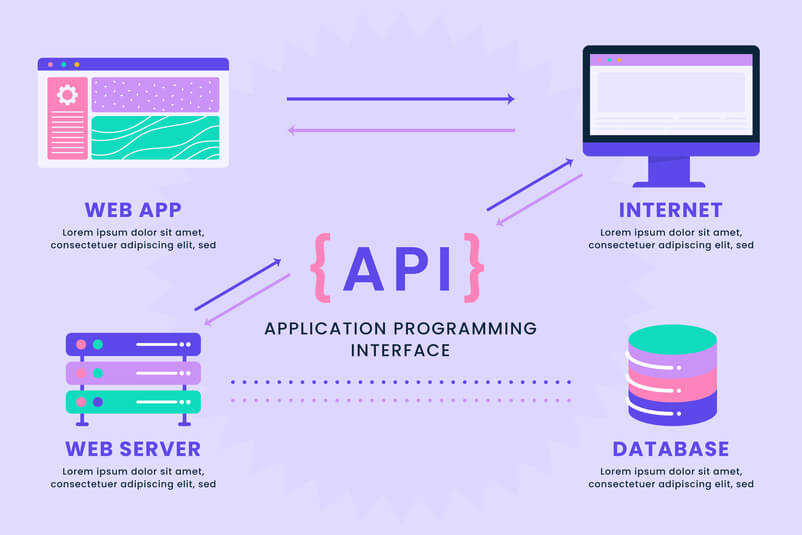
In an increasingly interconnected digital world, API-first design has become a major trend. This approach involves designing the API — the part of the website that communicates with other software components — before building the actual website. This ensures that your website can seamlessly interact with other apps and platforms from the get-go.
Dark Mode
Dark mode, a design trend that involves using dark backgrounds to reduce eye strain and save battery life on OLED screens, has been increasingly adopted in website design. It's become so popular that many websites now offer a switch that allows users to choose between light and dark themes.
Cybersecurity
With the rising number of cyber threats, website development is increasingly focusing on cybersecurity. The latest trends involve integrating advanced security measures into the development process to ensure data privacy and protect against potential threats.
In conclusion, staying updated with the latest website development trends is key for any business seeking to enhance user experience, improve website functionality, and ultimately, achieve digital success. As technology continues to evolve, businesses need to adapt to stay competitive and meet the changing needs and expectations of their users.
Categories
Latest Posts
Archive